%2Ffit-in%2F250x250%2Fguide_websites%2F122494%2Fimages%2F1775580595779colorredemptionredfishlogo01artboard1.jpg&w=1200&q=100)
/users/dce84bde-2415-4886-9f1f-12622503bf94/pagedata/cover-mo3owstk.jpg)
%2F300x300%2Fusers%2Fdce84bde-2415-4886-9f1f-12622503bf94%2Fpagedata%2Fcover-mo3owstk.jpg&w=256&q=75)
%2F300x300%2Fusers%2Fdce84bde-2415-4886-9f1f-12622503bf94%2Fpagedata%2Fbwebgallery037-mo3ooo10.jpg&w=256&q=75)
%2F300x300%2Fusers%2Fdce84bde-2415-4886-9f1f-12622503bf94%2Fpagedata%2Faa87ab1a-1d32-4cf3-b867-430984dd0f9a-mo3ou7mj.jpg&w=256&q=75)
%2F300x300%2Fusers%2Fdce84bde-2415-4886-9f1f-12622503bf94%2Fpagedata%2Fbwebgallery007-mo3on36k.jpg&w=256&q=75)
%2F300x300%2Fusers%2Fdce84bde-2415-4886-9f1f-12622503bf94%2Fpagedata%2Fbwebgallery031-mo3otkdr.jpg&w=256&q=75)
%2F300x300%2Fusers%2Fdce84bde-2415-4886-9f1f-12622503bf94%2Fpagedata%2Fbwebgallery017-copy-copy-mo3oo0jg.jpg&w=256&q=75)
%2F300x300%2Fusers%2Fdce84bde-2415-4886-9f1f-12622503bf94%2Fpagedata%2Fbwebgallery028-mo3opg1v.jpg&w=256&q=75)
6-Hour Pensacola Bay Fishing Experience
 Pensacola
What you will be catching:
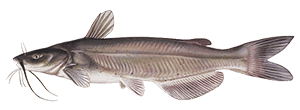
 Channel Catfish
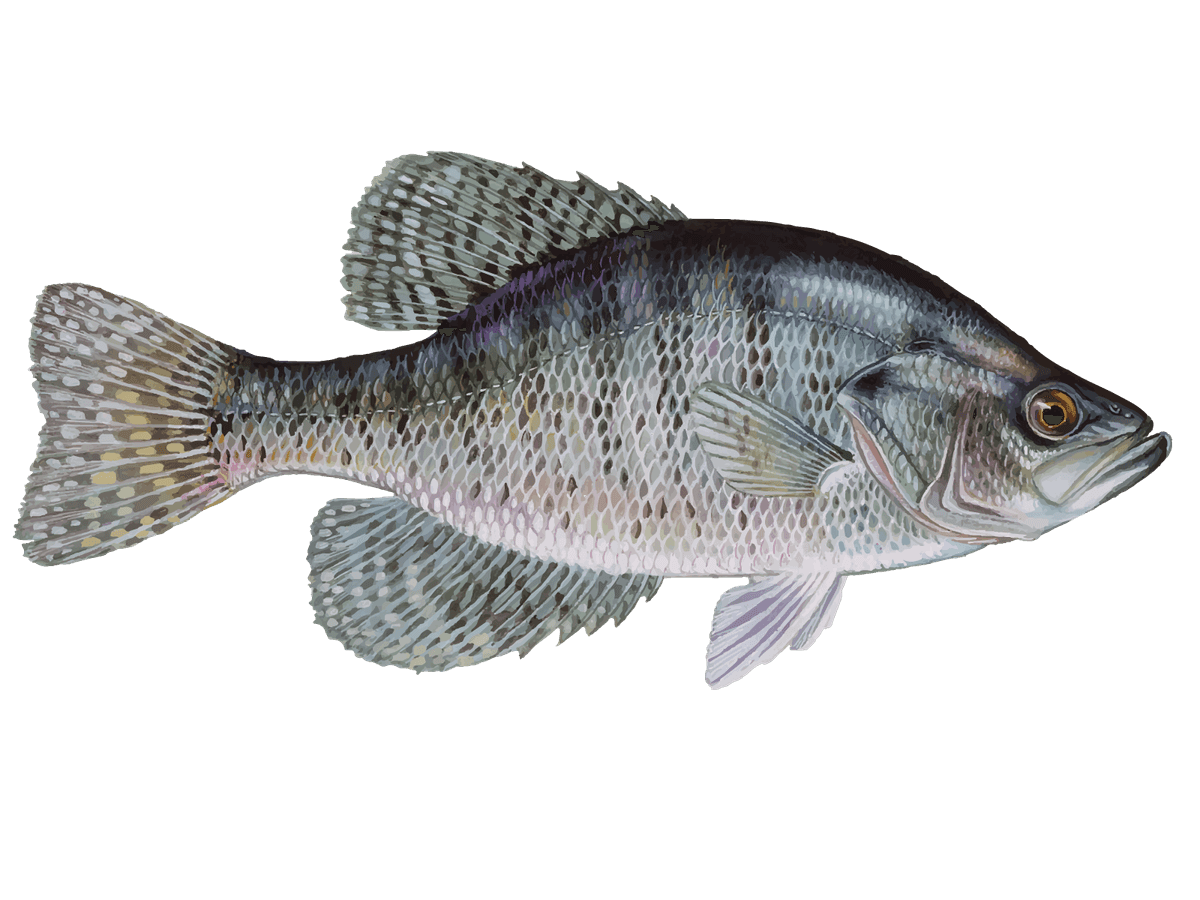
 Crappie
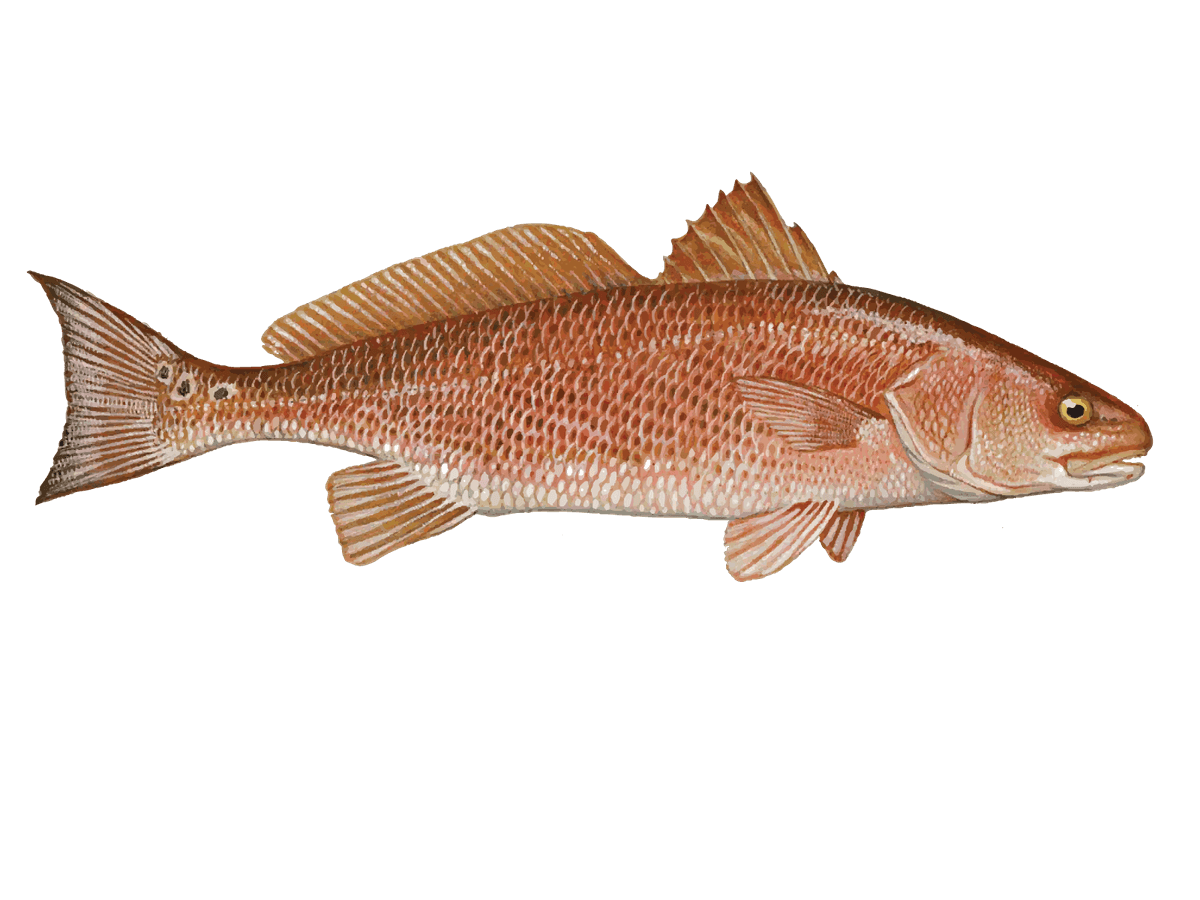
 Redfish
 Sea Trout
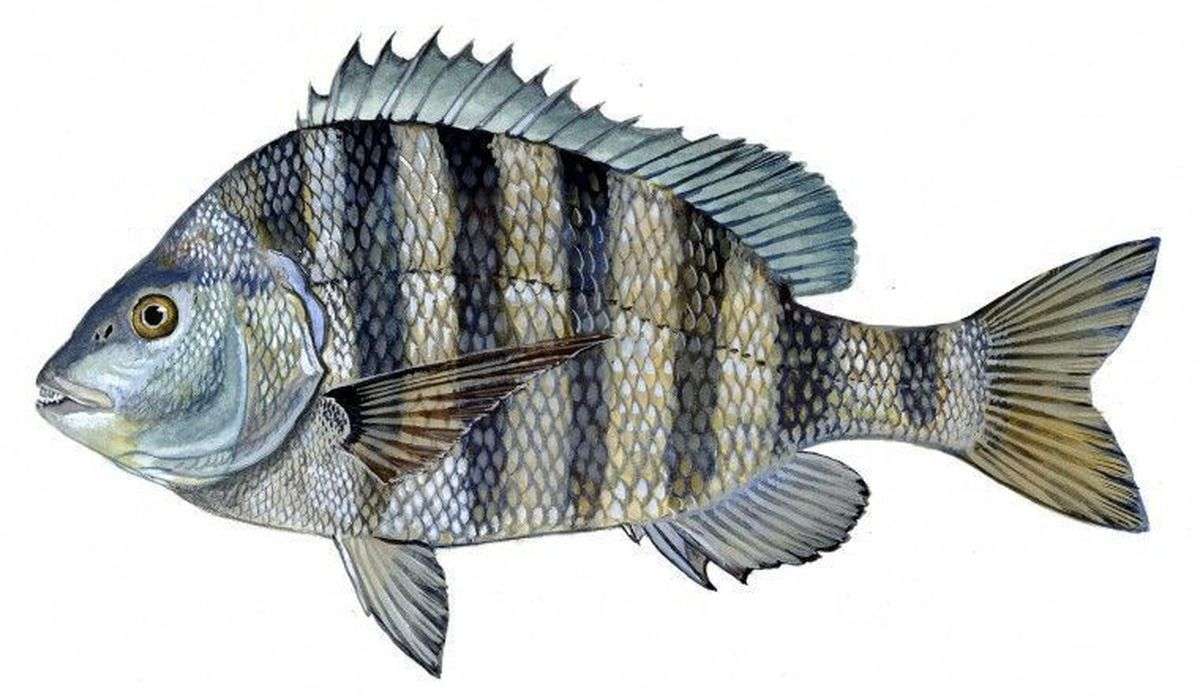
 Sheepshead
- 6-Hour Pensacola Bay Fishing TripThe Sweet Spot. More Time. More Opportunity.This is where everything starts to come together.Our 6-hour trip gives you the extra time needed to cover more water, adjust to the bite, and target a wider variety of species—without committing to a full day. You’ll board in downtown Pensacola and head straight into the productive waters of Pensacola Bay.
Trip Pricing and Availabilities:
6-Hour Pensacola Bay Fishing Trip
The Sweet Spot. More Time. More Opportunity.
This is where everything starts to come together.
Our 6-hour trip gives you the extra time needed to cover more water, adjust to the bite, and target a wider variety of species—without committing to a full day. You’ll board in downtown Pensacola and head straight into the productive waters of Pensacola Bay.
What to Expect on the Water
This trip gives us room to do it right.
We’ll fish a mix of grass flats, oyster bars, bridges, and deeper channels—moving as needed to stay on active fish. With more time, we can slow down when it’s working or relocate when it’s not.
It’s flexible, focused, and built around the conditions.
What We Target
Depending on the season, we may go after:
- Redfish
- Speckled trout
- Flounder
- Sheepshead
- Black drum
We don’t lock into one species—we fish what’s biting best that day.
Everything’s Taken Care Of
- Rods, reels, bait, and tackle
- Fishing licenses
- Water and light snacks
- A first mate onboard to help with lines, bait, and gear
No stress—just show up ready to fish.
Who This Trip Is For
- Families and kids
- Beginners and first-time anglers
- Groups wanting more time on the water
- Anyone looking for a step up from the 4-hour trip
Bottom Line
Board in Pensacola. Fish where it matters.
The 6-hour trip is the sweet spot—more time, more opportunity, and more chances to stay on fish.
Learn more about the species
Channel Catfish
Channel cats are tough fighters that live in our deeper holes and around structure. These whiskered fish can range from 2-10 pounds, with some monsters pushing 20+ pounds in our area. They're bottom dwellers that use those barbels to find food by smell and taste. Summer nights are prime time, but they bite year-round. What makes them great for families is they're forgiving - they'll hold onto bait longer than most fish. The meat is firm and mild, perfect for fish fries. Their slimy skin and sharp fins require careful handling, but that's part of the experience. Best bait is fresh cut mullet or live shrimp fished on the bottom near structure. Pro tip: once you get a bite, let them run with it a few seconds before setting the hook. They need time to really take it.
Crappie
These speckled panfish are perfect for beginners and families. Black and white crappie run 7-12 inches and weigh around a pound, traveling in schools that make for steady action once you find them. They love hanging around submerged structure, brush piles, and docks in 6-15 feet of water. Spring and fall are prime time when they're most active, though dawn and dusk fishing works great year-round. What makes crappie special is their light bite and excellent table fare - that white, flaky meat is hard to beat. Kids love the consistent action, and parents love the dinner they bring home. Pro tip: use small jigs or live minnows on light tackle, and when you catch one, work that same spot thoroughly since they school up tight.
Redfish
Redfish are the kings of our shallow water fishing, with that signature copper color and black spot near the tail. These bruisers average 20-30 inches and love super shallow flats where you can sometimes see their backs out of water. They're around year-round, but fall brings schools of them into the shallows. What guests love most is watching these fish cruise the flats and getting that explosive topwater strike. They fight hard and steady, perfect for teaching kids how to handle a strong fish. The meat is excellent too - mild and sweet. Redfish will eat almost anything, from live shrimp to big topwater plugs. My favorite trick is using a gold spoon and working it slow over the grass flats. When you see one tailing, cast past it and work back.
Sea Trout
Speckled trout are a staple of our inshore trips, running 14-24 inches with beautiful spotted sides. These fish love grass flats and shallow bays, especially around dawn and dusk when they come up to feed. Summer and fall offer the best action, but they bite year-round in our area. What makes them great for beginners is their willingness to hit both live bait and artificial lures. The fight is fun without being overwhelming, and the meat is excellent - tender white flesh that's perfect for the dinner table. They can be a bit finicky, so we'll often switch between live shrimp and soft plastics to see what they want. Local tip: look for diving birds over grass flats - that's where the trout are feeding on baitfish. Cast right into the commotion.
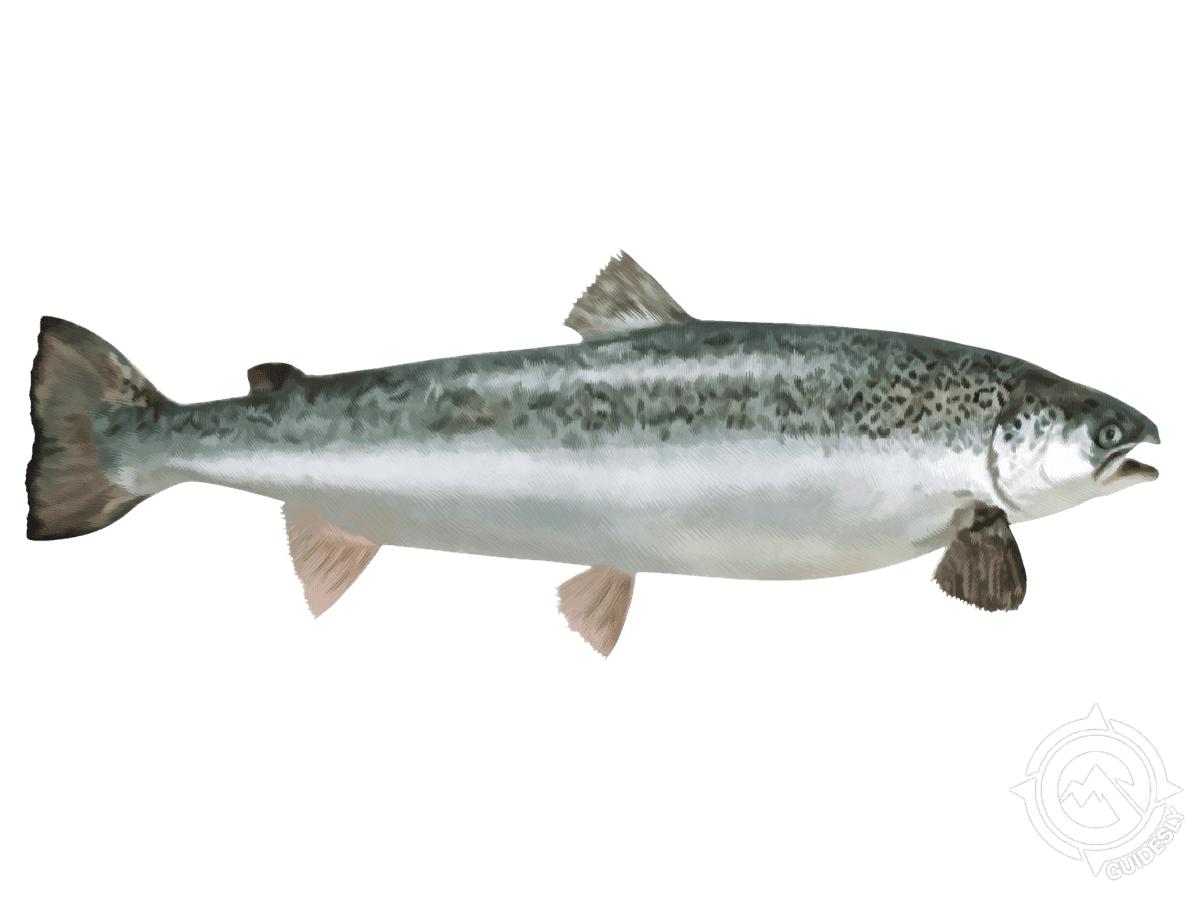
Sheepshead
You'll know sheepshead by their black and white prison stripes and those crazy human-like teeth. These convict fish average 1-8 pounds and love hanging around any structure - docks, bridges, pilings, and jetties where they munch on barnacles and crabs. They're year-round residents, but spring brings the best action when they spawn near passes and reefs. Guests love the challenge since sheepshead are notorious bait thieves with incredibly strong jaws. The payoff is worth it though - their white, mild meat rivals any table fish we catch. They're spooky around boat noise, so we'll drift up quietly to the structure. Here's the key: keep your bait tight to the pilings and set the hook hard the moment you feel weight. They'll steal your shrimp all day if you're not ready.